

In the quiet suburbs of Stittsville, a local family started to notice something wasn’t quite right with their home.
Despite keeping the thermostat at a reasonable setting, their energy bills were creeping higher every season—and the home was drafty in winter and overly hot in summer, particularly in the upstairs bedrooms.
Suspecting the attic might be the culprit, the homeowner reached out to Panda Insulation for a free inspection.
What We Found
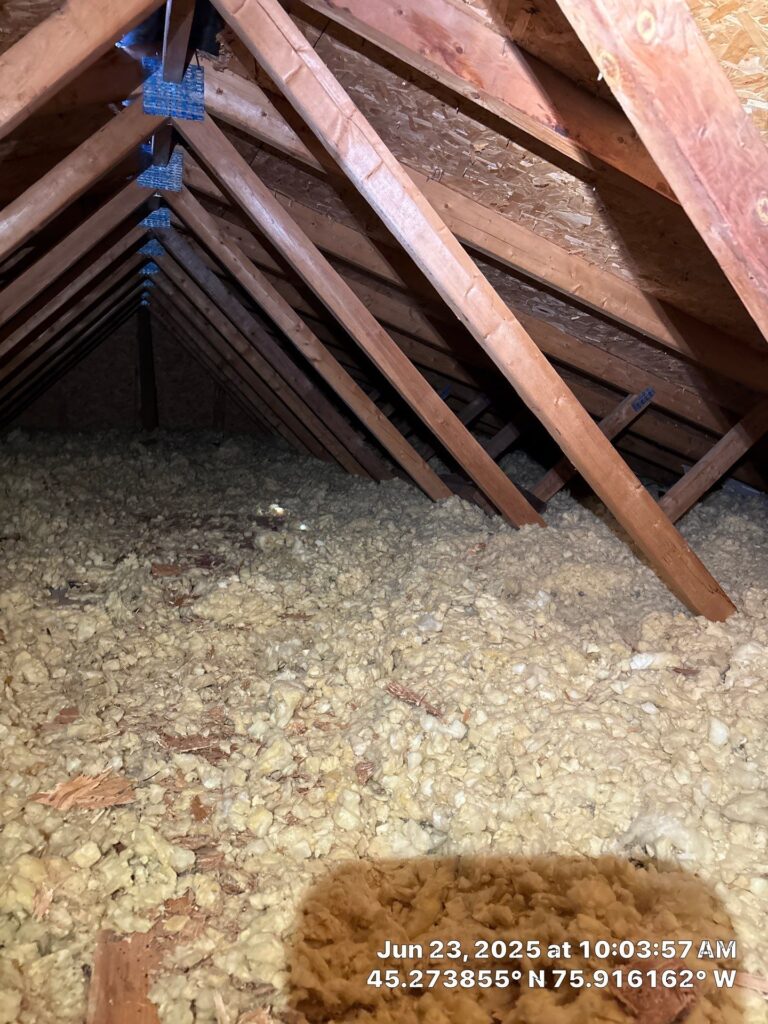
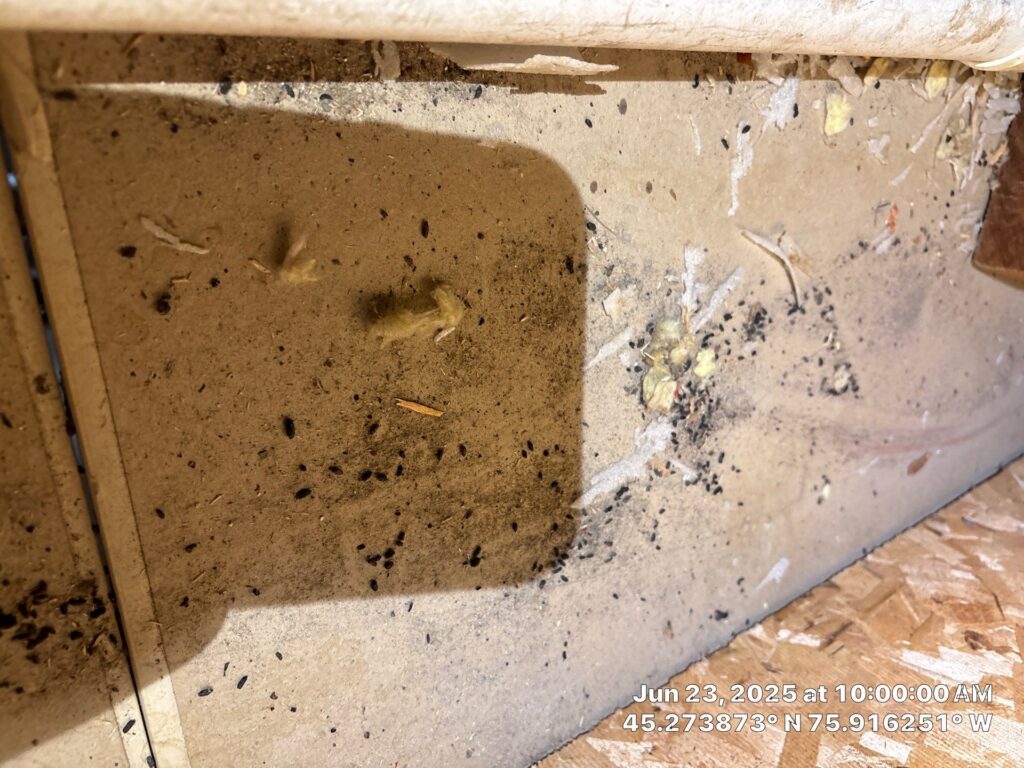
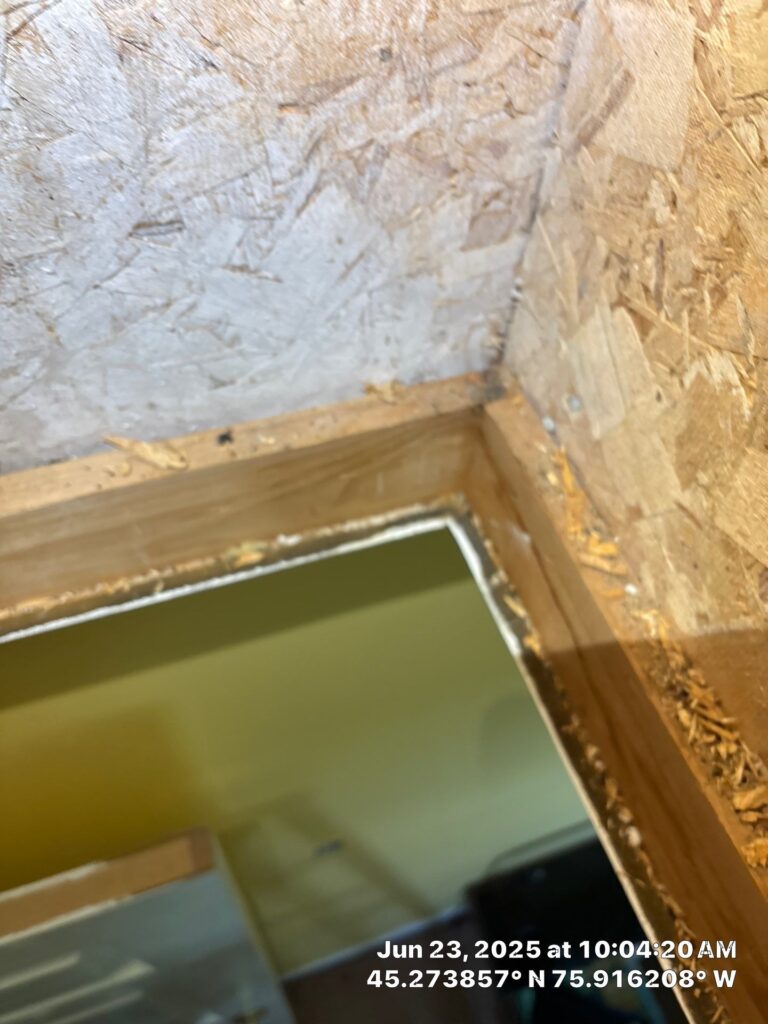
During our attic inspection, we uncovered several key issues that were quietly draining this home’s efficiency:
- Under-Insulation: The attic only had 8–9 inches of existing insulation—roughly R-24 to R-27, which is well below the Ontario building code minimum of R-60.
- Rodent Activity: Our team discovered signs of past rodent presence—droppings and chewed insulation—which compromised not just the thermal barrier but also the health of the attic.
- Air Leaks: Gaps around ceiling fixtures, pipes, and attic penetrations were allowing warm air to escape straight into the attic.
- Poor Ventilation: Inadequate airflow from the soffits was creating stagnant, humid conditions that could lead to condensation and ice damming.
This was more than just a top-up job—this attic needed a full performance upgrade.
Our Approach
We developed a complete attic solution to bring the home up to code and restore energy efficiency and year-round comfort.
Insulation Upgrade to R-60
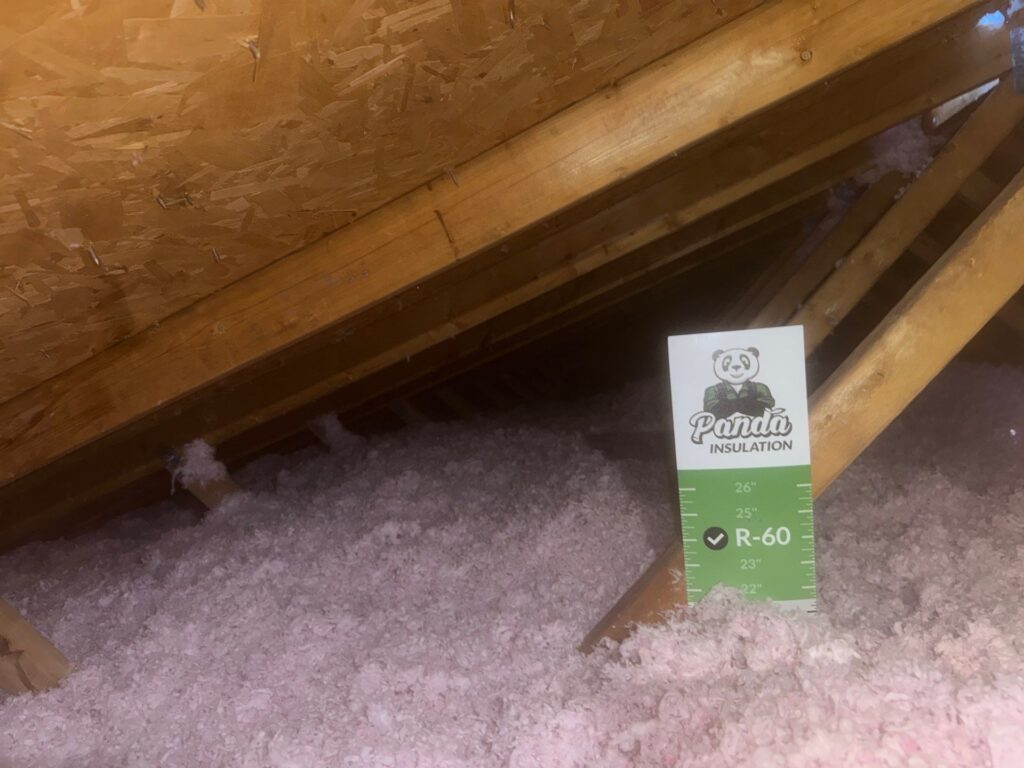
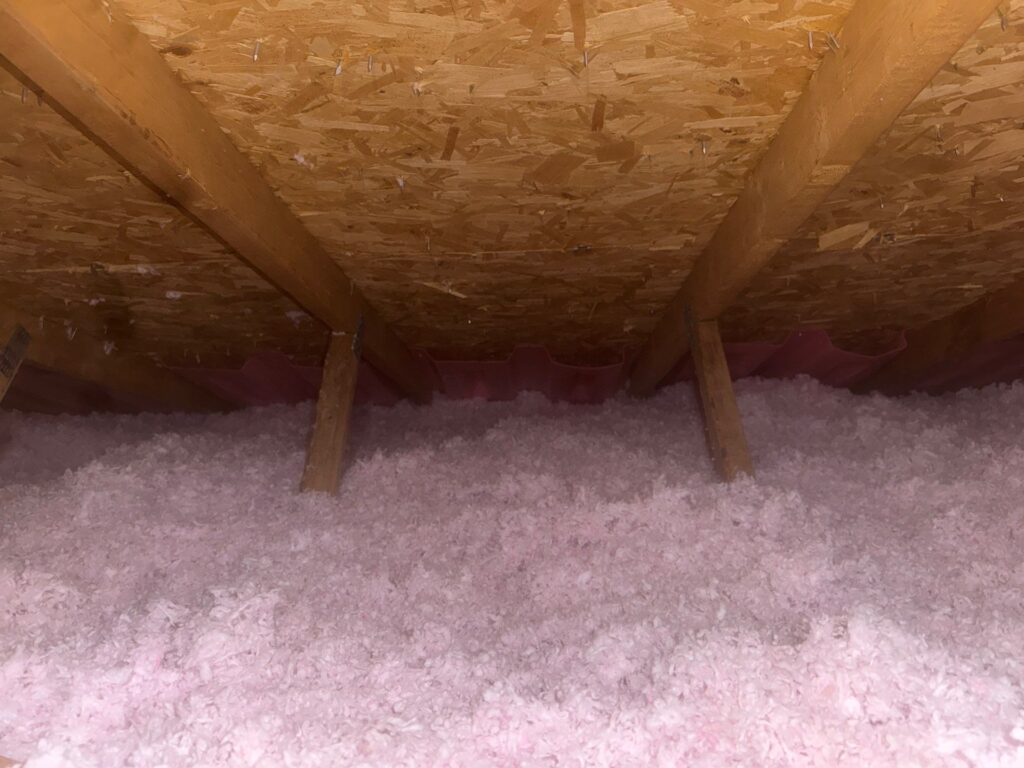
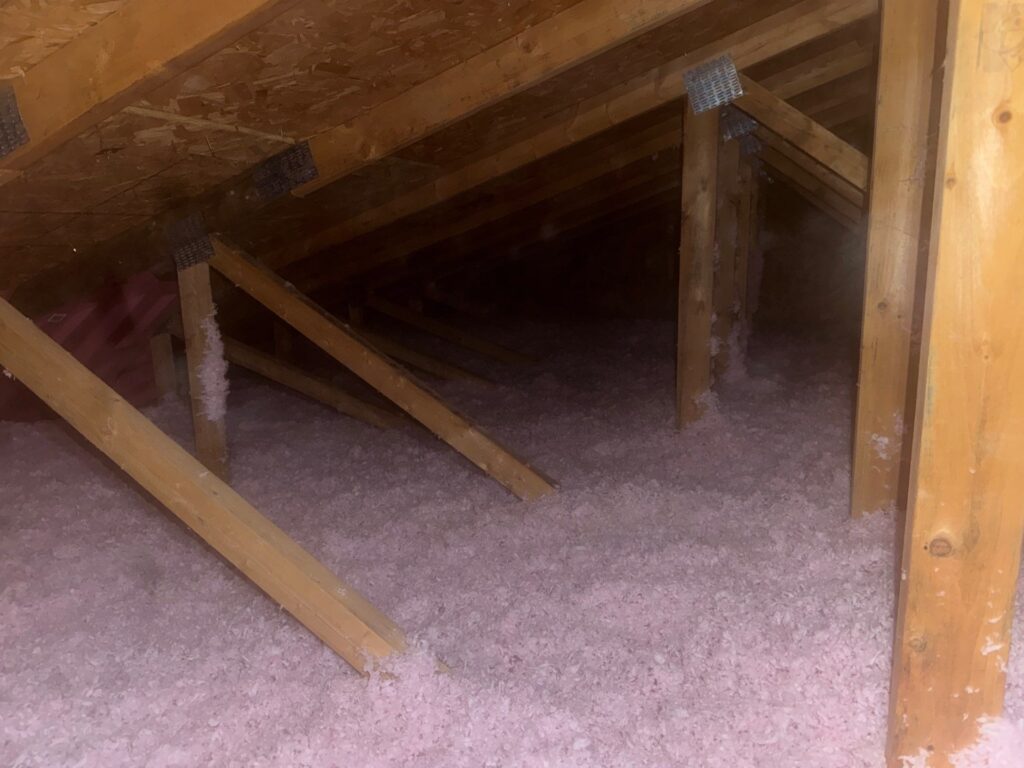
We topped up the attic to R-60 using ProPINK blown-in fiberglass insulation from Owens Corning. This insulation is non-combustible, resistant to settling, and made with over 70% recycled content. The new insulation depth reached 21.5″, more than doubling the home’s thermal protection.
Full Air Sealing
We applied low-expansion spray foam to seal gaps around pot lights, vents, plumbing stacks, and electrical boxes—essential for preventing warm air from leaking into the attic and causing moisture problems.
Ventilation Improvements
To maintain airflow through the insulation layer, we installed extruded polystyrene baffles along the eaves. These sturdy, code-compliant channels ensure continuous airflow from the soffits to the attic, which is critical for preventing ice dams and regulating attic temperature.
Attic Hatch Retrofit
We added a plywood crib around the attic hatch to contain the new insulation depth and prevent spillage when the hatch is opened. The hatch itself was fitted with rigid insulation and weather stripping to create a tight seal and prevent air leakage.

Rodent-Damaged Insulation Removed
We removed contaminated portions of the old insulation where necessary, eliminating compromised areas and giving the attic a clean, healthy baseline.
The Outcome
Just days after the work was completed, the family noticed the difference:
- The home felt more comfortable and consistent, with fewer hot or cold spots.
- Their HVAC system wasn’t running as often, and early signs pointed to lower energy bills.
- Most importantly, they had peace of mind knowing their attic was clean, up to code, and properly protected against future issues.
And like all our clients, they received a Panda Installation Certificate, providing documentation of the insulation levels, materials used, and work completed.
Final Thoughts
This Stittsville project is a perfect example of how small inefficiencies—like air leaks, outdated insulation, and poor ventilation—can add up to a big energy problem. With the right fix, the results are immediate: a more efficient home, lower utility bills, and a more comfortable living space.
Suspect your attic might be costing you?
Book a free inspection with Panda Insulation and see how much you could save!